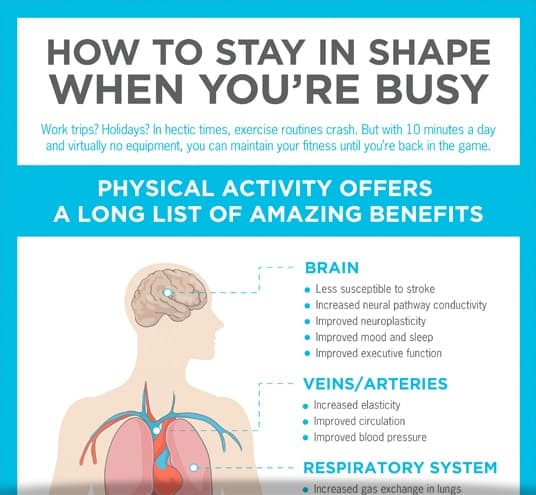
Training teens right in Texas high school athletics means balancing ambition with safety, structure, and long-term development. Strong standards from statewide governing bodies, combined with smart strength training principles, help student‑athletes build performance the right way—without sacrificing health, academics, or their enjoyment of sport.
What “Training Teens Right” Really Means
For Texas high school athletes, “training right” goes beyond lifting heavier weights or running faster sprints. It includes age‑appropriate strength work, thoughtful conditioning plans, and guardrails that protect teens as their bodies and minds are still developing.
Coaches are expected to model this balance by following statewide regulations, working with medical staff, and building programs that emphasize safe technique and progressive workload rather than quick wins.
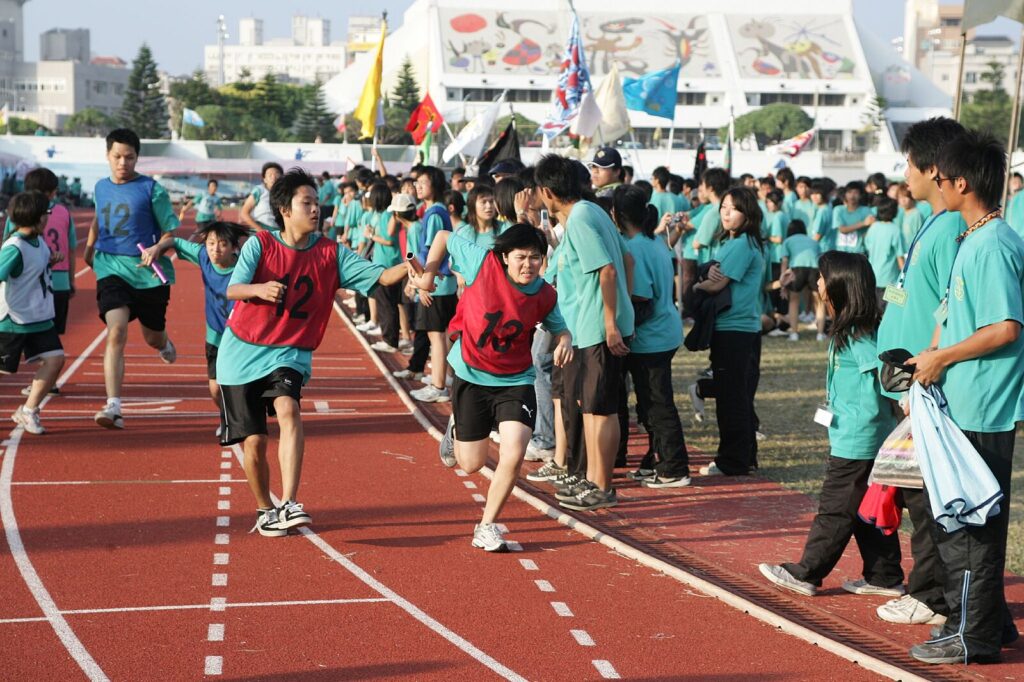
Training teens well also means looking at the whole person, not just a position on the depth chart. Good programs consider sleep, nutrition, mental health, and stress from school or work, and they adjust training demands accordingly so athletes can grow without burning out.
When teens understand why volume, rest, and recovery are all planned intentionally, they are more likely to buy into the process and carry those habits into adulthood.
UIl Standards for Strength and Conditioning
The University Interscholastic League (UIL) sets the framework for when and how Texas high school athletes can take part in organized strength and conditioning, especially in the summer and offseason. UIL rules limit supervised strength and conditioning sessions to defined time blocks, typically capping total daily hours and restricting students to one session per day to reduce overuse and fatigue.
In addition, sport‑specific skills and equipment are often separated from pure strength sessions, keeping the focus on general athletic development rather than sport‑specific repetition under fatigue. Families and coaches can review the current strength and conditioning regulations directly on the official UIL athletics website.
UIL also outlines expectations for coach supervision, facility use, and voluntary versus mandatory participation, which protects athletes from feeling pressured into unsafe workloads. These boundaries help keep the playing field fair between schools and encourage programs to prioritize quality coaching and thoughtful planning over simply adding more hours in the weight room.
By tying eligibility to adherence with these standards, UIL reinforces that safe, organized development is a non‑negotiable part of Texas high school sports.
Safety First: Heat, Concussions, and Emergency Planning
Because Texas heat can be extreme, schools must follow heat‑stress guidelines that include monitoring environmental conditions and modifying or rescheduling workouts when temperatures and humidity reach dangerous levels. Many districts and statewide policies now require on‑site “rapid cooling zones” and clear emergency action plans, including access to cold‑water immersion and trained staff whenever practices or conditioning sessions take place in high heat.
Concussion education and signed acknowledgement forms are also mandatory for student‑athletes and their families, underscoring that return‑to‑play decisions must prioritize brain health over competition. Parents who want more background can explore UIL’s health and safety resources on concussions and heat illness through the UIL health information pages.
For teens, clear safety standards send a powerful message that their well‑being matters more than a single game or season. When athletes see coaches consistently following heat guidelines, removing players for evaluation after head impacts, and running practice with athletic trainers on site, trust grows and kids are more willing to report symptoms early.
This culture of openness helps prevent minor issues from turning into serious injuries and keeps more students involved in athletics over the long term.
Best‑practice Strength Training for Teens
Evidence‑based guidelines recommend that teens focus on full‑body strength two to three days per week on nonconsecutive days, allowing time for muscle recovery and growth. Programs should start with lighter loads, emphasize perfect form, and progress gradually, using sets and rep ranges that the athlete can control without strain or breakdown in technique.
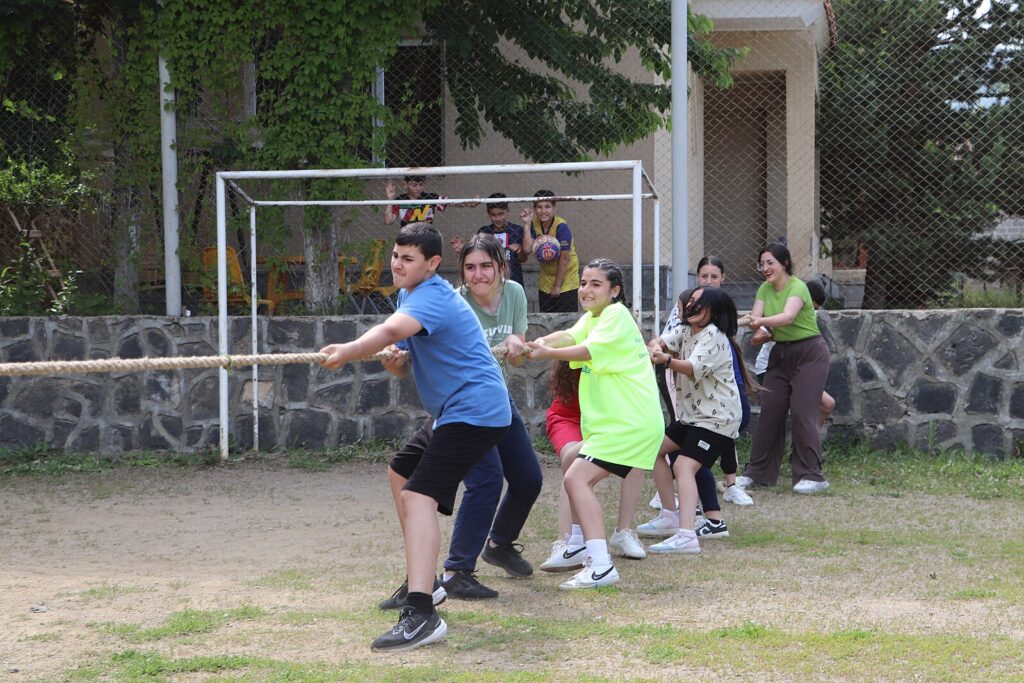
Supervision by certified coaches or trainers, along with dynamic warm‑ups, post‑workout stretching, and integrated core training, helps reduce injury risk while building strength, power, and resilience. Families can learn more about age‑appropriate resistance work by reviewing guides such as Nemours KidsHealth’s overview of strength training for teens.
A well‑designed high school program also respects the differences between freshmen and seniors. Younger athletes might focus on movement skills, bodyweight exercises, and basic strength standards, while older teens can handle more advanced barbell work and power training once they demonstrate consistent technique.
Layering education into every session—on topics like proper spotting, warm‑up routines, hydration, and post‑workout nutrition—turns the weight room into a classroom where teens learn how to take ownership of their own health and performance.
Building Well‑Rounded Student‑Athletes
High school athletic standards in Texas are designed not just to win games, but to support the bigger picture of academics, character, and long‑term health. When schools follow clear training limits, heat policies, and concussion protocols—and pair them with solid strength programs—teens learn how to work hard, listen to their bodies, and respect structure, lessons that carry into college, careers, and everyday life.
Parents and athletes who seek out environments that mirror these standards outside of school, such as well‑run gyms and training centers, are more likely to find consistent coaching, safe progression, and community support.These broader standards also open doors for students who might not see themselves as traditional athletes.
Inclusive strength and conditioning programs can welcome band members, cheerleaders, recreational athletes, and teens simply looking to feel stronger and healthier, all under the same safety‑first framework. In that way, Texas high school athletic standards become a foundation for lifelong fitness, not just a rulebook for varsity sports.
Supporting Teen Athletes Beyond the School Day in Frisco, TX
In a growing community like Frisco, TX, families who want to complement school athletics with additional training can look for programs that reflect the same safety‑first standards. These include age‑appropriate strength work, structured conditioning, and attentive coaching. This approach ensures teen athletes build confidence and performance without overtraining.
A gym like Marc Z Fitness & Nutrition can provide that kind of environment. Here, young athletes continue to develop good habits, strength, and consistency alongside their school commitments while staying aligned with the expectations set by Texas high school athletic programs.
If you have questions about supporting a teen athlete’s training, reach out today through the contact page to start a conversation.