Frisco, Texas has undergone one of the most remarkable transformations in American urban development, evolving from a quiet town of approximately 6,000 residents in 1990 to a thriving metropolitan hub of over 200,000 people by 2020. This explosive growth represents a 40-fold increase in just three decades, establishing Frisco as one of the fastest-growing cities in the United States and a model for strategic suburban development.
The Catalyst for Growth
The foundation of Frisco’s transformation was laid through critical infrastructure developments and strategic partnerships in the 1990s. The extension of the Dallas North Tollway into Frisco during this decade proved transformative, connecting what was then a relatively small town to the broader Dallas-Fort Worth metroplex and making it accessible to commuters and businesses. Prior to the 1990s, State Highway 121 had served as an invisible barrier that seemed to prevent major development from reaching Frisco, even as neighboring communities to the south flourished.
The first significant breakthrough came in 1995 when Collin County Community College District opened its Preston Ridge campus in Frisco, marking the beginning of commercial development crossing the Highway 121 barrier. However, the true catalyst arrived in August 2000 with the opening of Stonebriar Centre, a massive 1.6 million square foot retail complex that took nearly 12 years of negotiations to secure. This shopping destination confirmed Frisco’s arrival as a major economic player in the Dallas region and sparked an infusion of millions more square feet of retail development.
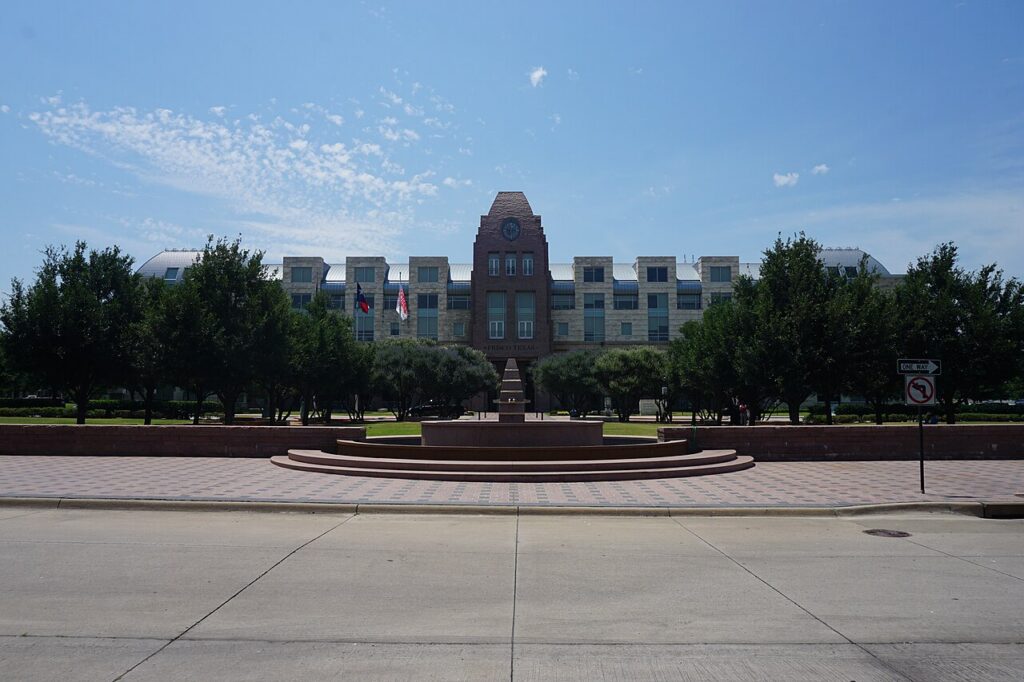
Population Explosion and Economic Development
The population surge that began in the 1990s accelerated dramatically into the 2000s. From 3,500 residents in 1980, Frisco grew to 6,141 in 1990, then exploded to 33,714 by 2000. The city’s annual growth rate maintained a steady 6.9 percent, with a compound annual growth rate of 5.4 percent over the following decade. This incredible expansion was driven by affordable housing, access to excellent schools, and a lower cost of living compared to neighboring Plano and other established suburbs.
The city established a Tax Increment Reinvestment Zone that became a key investment tool enabling rapid growth. Part of the local sales tax specifically funded the Frisco Economic Development Corporation, which actively recruited new businesses and startups. This strategic approach created more than 4.5 million square feet of development in just a one-square-mile area, transforming the economic landscape of the entire region.
Sports and Entertainment Hub
Perhaps no development better exemplifies Frisco’s modern identity than its emergence as a premier sports and entertainment destination. In 2013, the city announced a groundbreaking partnership with the Dallas Cowboys, Frisco Independent School District, and the City of Frisco to establish The Star, the Cowboys’ world corporate headquarters and training facility.
Opening on a 91-acre campus, The Star features the Ford Center, a state-of-the-art 510,000 square foot indoor athletic facility with 12,000 seats that serves triple duty for the Cowboys’ practice facility, FISD’s eight high schools’ athletic events, and community gatherings including graduations and competitions.This public-private partnership model proved so successful that it attracted additional major sports organizations.
In 2018, the PGA of America announced it would relocate its headquarters from Palm Beach County, Florida to Frisco, anchoring a 600-acre mixed-use development with an initial investment exceeding half a billion dollars. The agreement included hosting two PGA Championships, two KPMG Women’s PGA Championships, and potentially a Ryder Cup in Frisco.
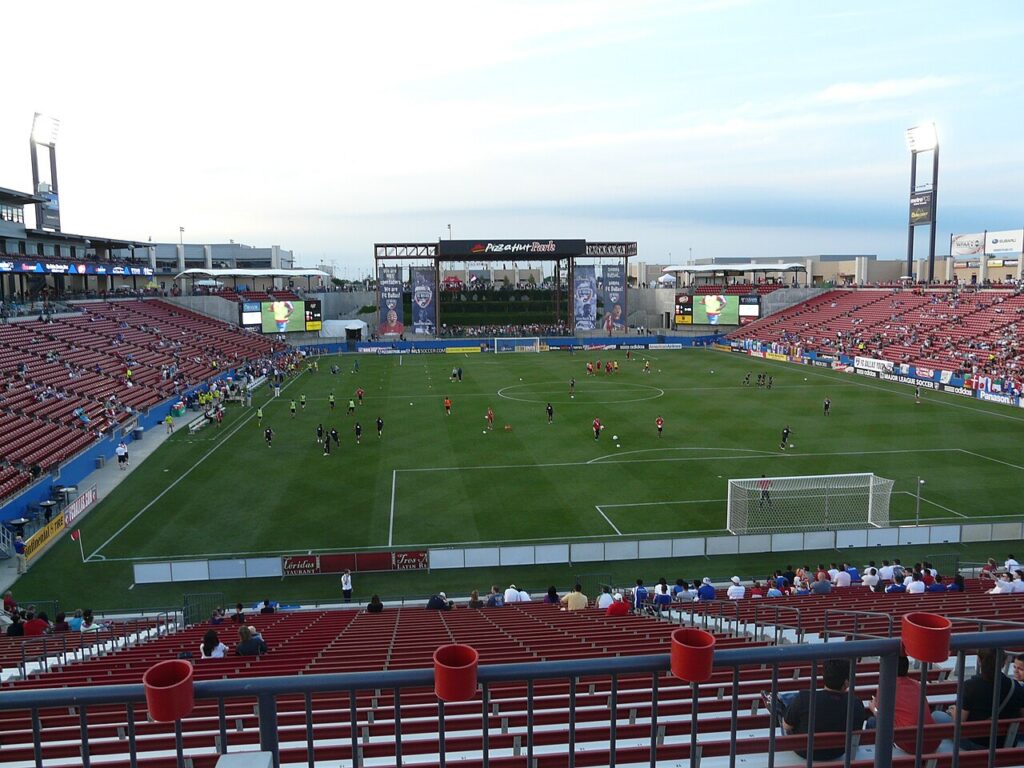
The city is also home to FC Dallas and Toyota Stadium, which includes seventeen regulation-sized soccer fields utilized year-round.
Educational Excellence and Infrastructure
The Frisco Independent School District became a cornerstone of the city’s appeal, building 43 elementary schools and 12 high schools to accommodate the rapid population growth while maintaining smaller school sizes to ensure quality education. FISD developed a reputation for rigorous curriculum, strong Advanced Placement and dual-credit offerings, and excellence in athletics, band, orchestra, and theater programs.
The district also established a Career and Technology Center offering courses in engineering, architecture, and other technical fields, preparing students for college and career success.
Downtown Revitalization and Urban Planning
As the city expanded, officials recognized the need for a thoughtfully planned downtown to serve as a civic and cultural center. Frisco Square, a New Urbanism public-private partnership initiated in 2000, doubled the size of the city’s historic downtown. The thirty-year master plan for Frisco Square persevered through two economic recessions and evolved with densification adjustments to align with overall city goals.
Approximately 80 percent complete, the development includes public and quasi-public facilities that give it significant community purpose and has achieved strong acceptance among residents.
Corporate Headquarters Destination
Over the past decade, Frisco has transformed from primarily a suburban residential community into one of the most sought-after luxury markets in Texas, attracting corporate headquarters and elite organizations. The city’s business-friendly climate, strategic location within the Dallas-Fort Worth Metroplex, and quality of life amenities have made it a magnet for companies seeking to attract and retain skilled talent.
New developments have shifted focus toward lifestyle as much as location, offering golf courses, spas, walkable entertainment districts, and resort-style amenities that blend prestige, convenience, and community.
Continuing Growth and Future Outlook
Despite its dramatic expansion, Frisco still has room to grow. As of 2021, the city was considered only 75 percent developed, suggesting that its transformation will continue well into the future. The city’s success has been attributed to strategic location, patient elected leadership that demanded quality growth rather than accepting any development, and innovative public-private partnerships that leverage resources while maintaining community values.
What began as a railroad stop has become a thriving metropolitan destination that demonstrates how thoughtful planning, infrastructure investment, and community vision can transform a small town into one of America’s most dynamic cities.