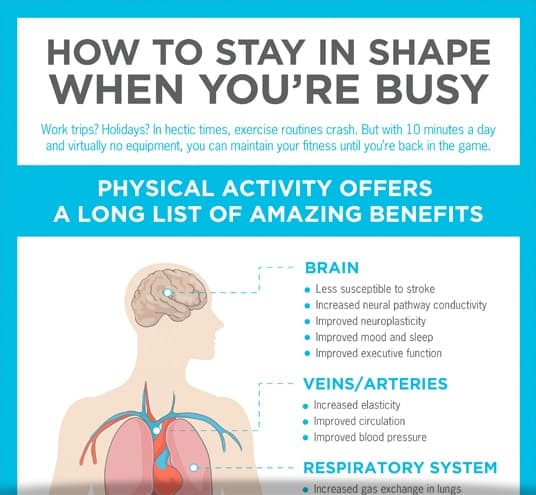
Texas has emerged as a leader in addressing chronic disease through comprehensive health guidelines that prioritize physical activity as a cornerstone of prevention. With recent legislative action and updated public health recommendations, the state is taking a proactive approach to combating cardiovascular disease, diabetes, obesity, and other preventable conditions that affect millions of residents.
Understanding Texas Physical Activity Guidelines
The Texas Department of State Health Services aligns with federal recommendations from the U.S. Department of Health and Human Services, which call for adults to engage in 150 to 300 minutes of moderate-intensity aerobic activity or 75 to 150 minutes of vigorous-intensity activity per week. For children and adolescents aged 6 through 17, guidelines recommend at least 60 minutes of moderate-to-vigorous physical activity daily, with muscle-strengthening and bone-strengthening exercises incorporated at least three days per week.
Texas recognizes that meeting these benchmarks is essential for reducing the risk of chronic conditions, yet current data shows only 23% of Texas school-aged children achieve the recommended 60 minutes of daily activity across all seven days of the week.
Adults with chronic conditions or disabilities should also aim for at least 150 minutes of moderate aerobic physical activity weekly, though they should consult with their primary care provider before beginning a new exercise routine. These guidelines reflect growing evidence that even modest increases in physical activity can deliver significant health benefits, particularly for sedentary individuals who face elevated cardiovascular risk.
Recent Legislative Action Supporting Prevention
Texas Senate Bill 25, which took effect in September 2025, represents a significant shift toward prevention-focused health policy. The legislation requires warning labels on food products containing certain additives and mandates more robust nutrition education in medical school curricula. Critically, SB 25 also guarantees physical activity and recess access for grade school children, prohibiting schools from revoking these opportunities as punishment. This provision acknowledges the essential connection between physical activity and both mental and physical health outcomes in young people, supporting emotional regulation and overall development.
The bipartisan support behind SB 25 demonstrates a shared commitment to addressing chronic disease prevention at the policy level. Health advocacy organizations collaborated with state legislators to ensure children have consistent opportunities for movement throughout the school day, recognizing that early lifestyle habits established during childhood often persist into adulthood.
Exercise as Medicine for Chronic Disease Prevention
Research consistently shows that regular physical activity serves as a powerful intervention for preventing and managing chronic conditions. Studies indicate that participants who meet moderate physical activity recommendations experience a 22% to 25% decrease in cardiovascular disease mortality compared to those who do not meet these guidelines. The health benefits extend far beyond heart health, encompassing reduced risk of type 2 diabetes, hypertension, certain cancers, improved bone density, enhanced mental health, better sleep quality, and weight management.
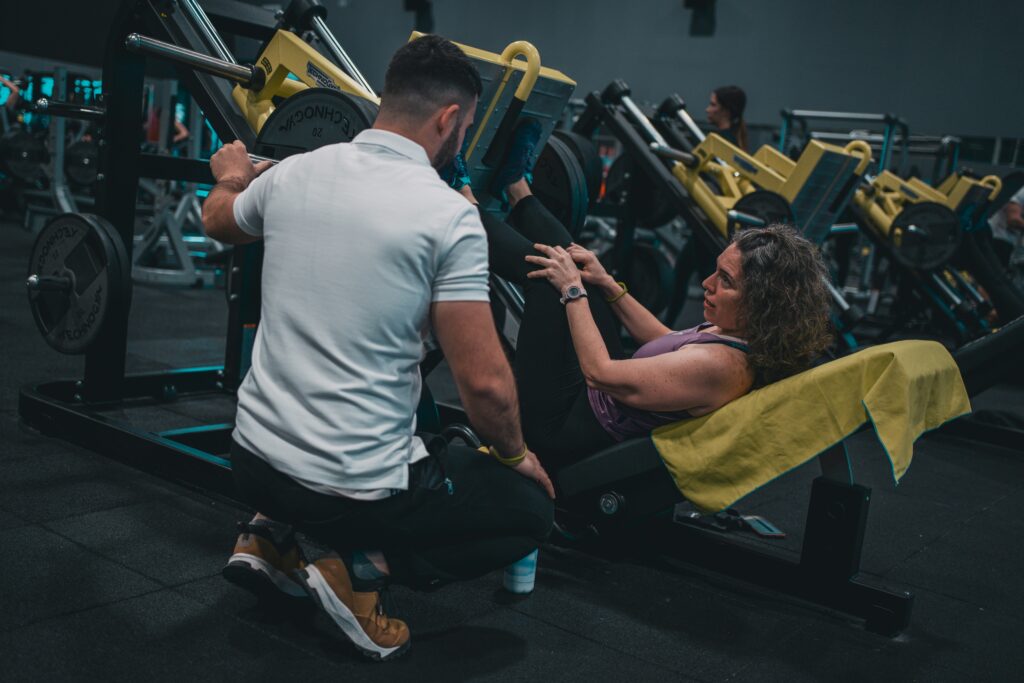
For individuals already managing chronic conditions like arthritis, heart disease, or diabetes, exercise plays a vital role in disease management. Safe, guided physical activity can improve joint mobility and balance, support healthier blood pressure and circulation, enhance blood sugar control, increase energy levels, and reduce anxiety while improving mood. Exercise has been shown to be as effective as prescription medication in managing several chronic diseases, making it a cost-effective and accessible intervention.
Aerobic exercises such as brisk walking, cycling, swimming, and jogging enhance cardiovascular endurance, lower blood pressure, and improve lipid profiles. For individuals with obesity-related heart damage, strategic exercise combined with dietary changes can prevent, halt, or even reverse cardiovascular damage. The key lies in early intervention and consistent effort, with healthcare professionals emphasizing that every step toward a more active lifestyle represents progress toward better health outcomes.
Texas Programs Supporting Active Lifestyles
The state offers several initiatives designed to increase physical activity among residents across different age groups and health statuses. Texas Health and Human Services provides the Texercise Program, which offers free physical activity and nutrition resources specifically designed for adults aged 45 and older. These programs recognize that sustained behavior change requires accessible resources and community support structures.
Despite these efforts, approximately 27% of Texans remain physically inactive, placing Texas in the bottom third of U.S. states for physical activity rates. In Bexar County, for example, 46% of adults reported exercising for at least 150 minutes weekly in the 2022 Community Health Needs Assessment, which exceeds the national average of 24%. However, significant geographic disparities exist, with children in central areas of major counties showing lower activity levels compared to those in more affluent suburban neighborhoods.
Community-led initiatives like Memorial Hermann’s StepHEALTHY programs offer free health education and exercise activities in Houston-area parks, empowering communities to improve their health and reduce chronic disease risk. These grassroots approaches complement state-level policy interventions by creating supportive environments where physical activity becomes a natural part of daily life.
Connecting Exercise and Prevention in Frisco, TX
Frisco residents benefit from living in a community where health and wellness resources are readily available, making it easier to adopt the preventive lifestyle habits emphasized in Texas health guidelines. As awareness grows about the profound connection between regular physical activity and chronic disease prevention, many individuals are seeking personalized guidance to establish sustainable exercise routines that fit their unique needs, fitness levels, and health goals.
Marc Z Fitness offers one-on-one training that helps Frisco residents translate state health recommendations into practical, individualized fitness plans designed to support long-term wellness.